
Don’t miss our worth exploring blogs, guides, and insights on developing the next big thing in Mobile or Web.
Get a Quote

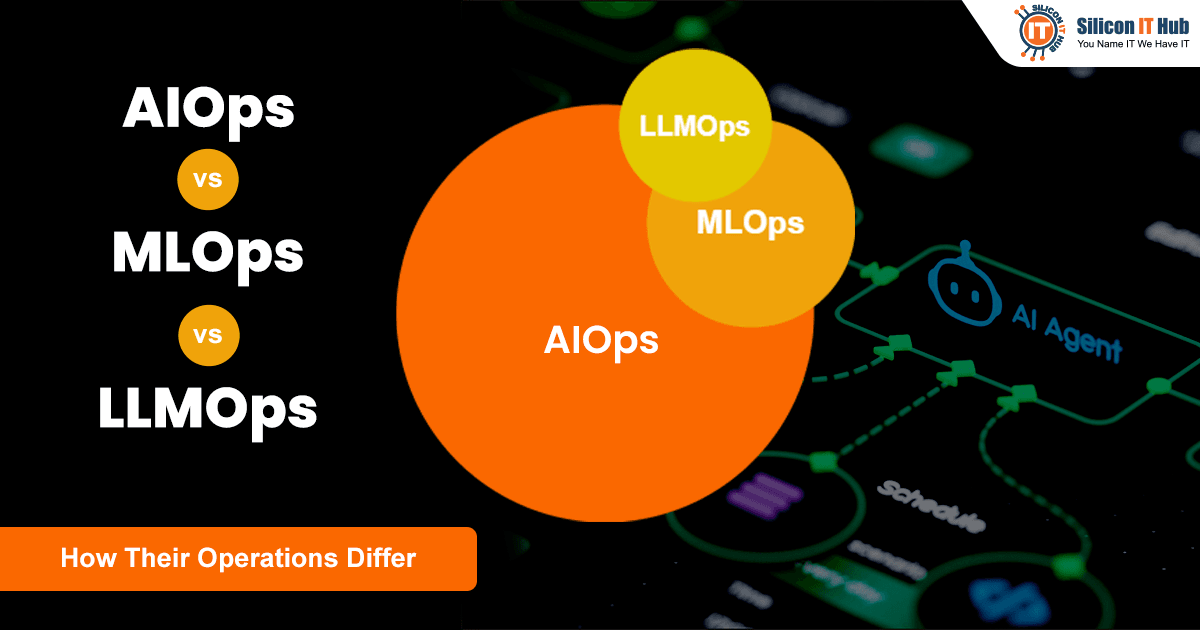
AIOps, MLOps, and LLMOps address different operational challenges. The blog discusses AI model operations and the scope of AIOps, MLOps, and LLMOps in workflows, monitoring, deployment, and goals.
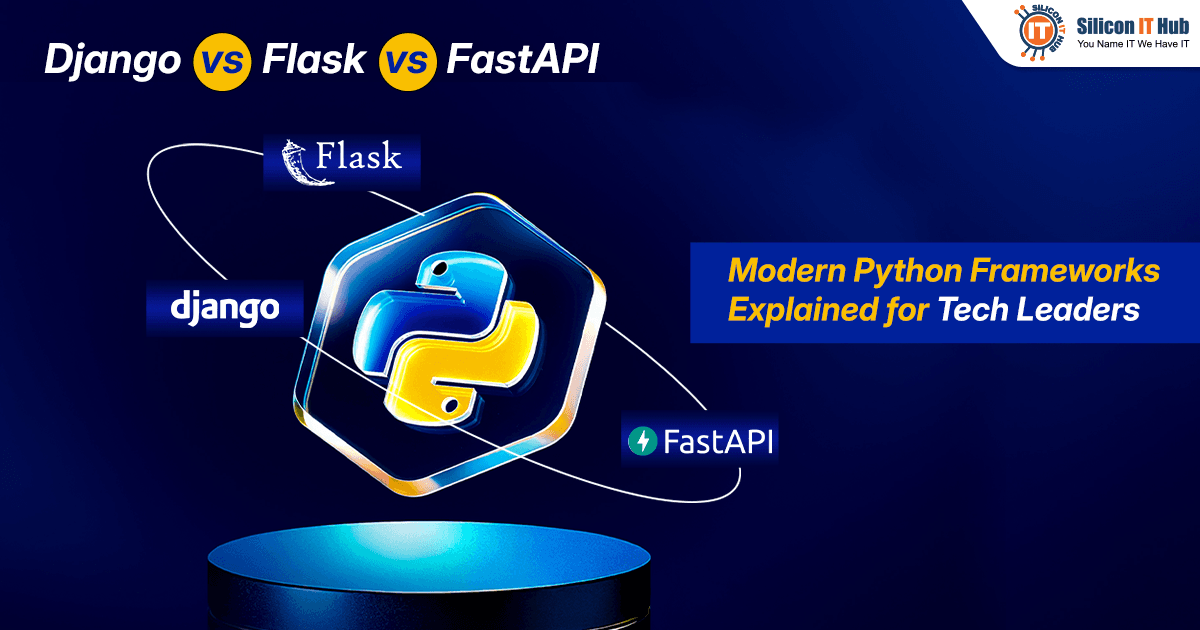
Compare popular frameworks like Django, Flask, and FastAPI from a Python development company’s perspective and understand the way to choose the best Python framework for your software and growth plans.
Here is a comparison of top programming languages by strengths and learning curves to help you choose the right one for your project. This detailed guide covers various aspects of popular languages.
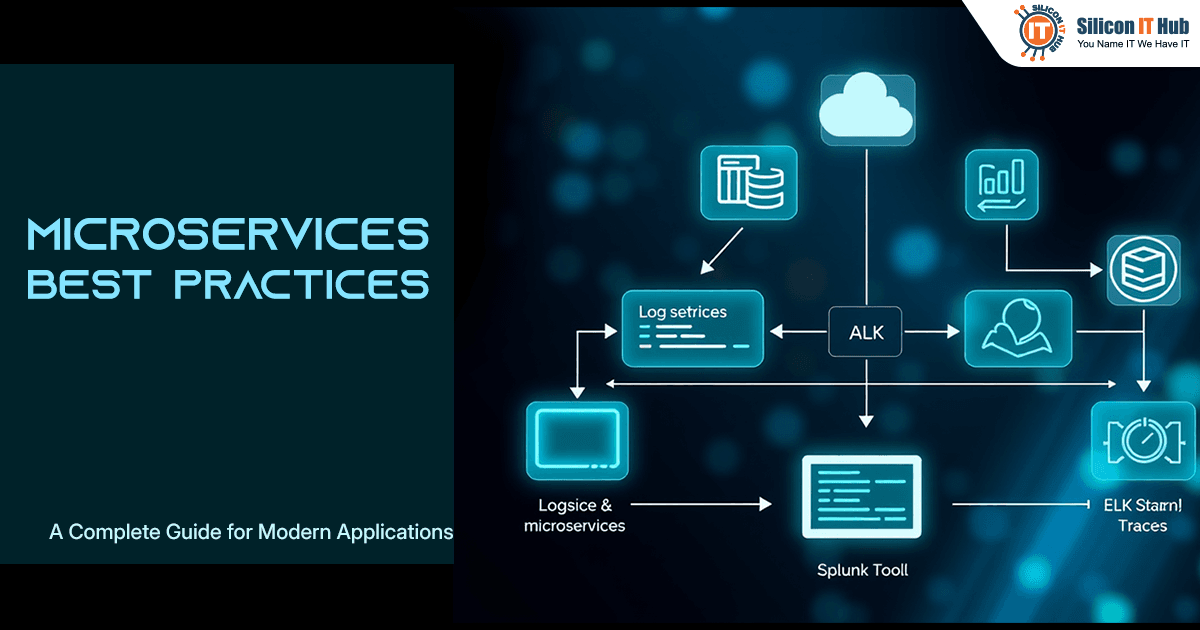
Learn how to design scalable microservices with the right architecture, service boundaries, APIs, security, monitoring, and deployment practices. The blog discusses common mistakes related to microservices.
Flutter vs Swift depends on your needs. Flutter excels in cross-platform speed, code reuse, and cost efficiency, while Swift offers native iOS performance, Apple integration, and platform-specific control.
Discover 11 powerful mobile app development platforms, from Flutter and React Native to Kotlin Multiplatform and .NET MAUI, and learn which platform fits your app project.
Fintech apps face cyber threats, making security essential. A security-first approach using MFA, encryption, secure APIs, testing, monitoring, compliance, and fraud prevention protects data and builds trust.
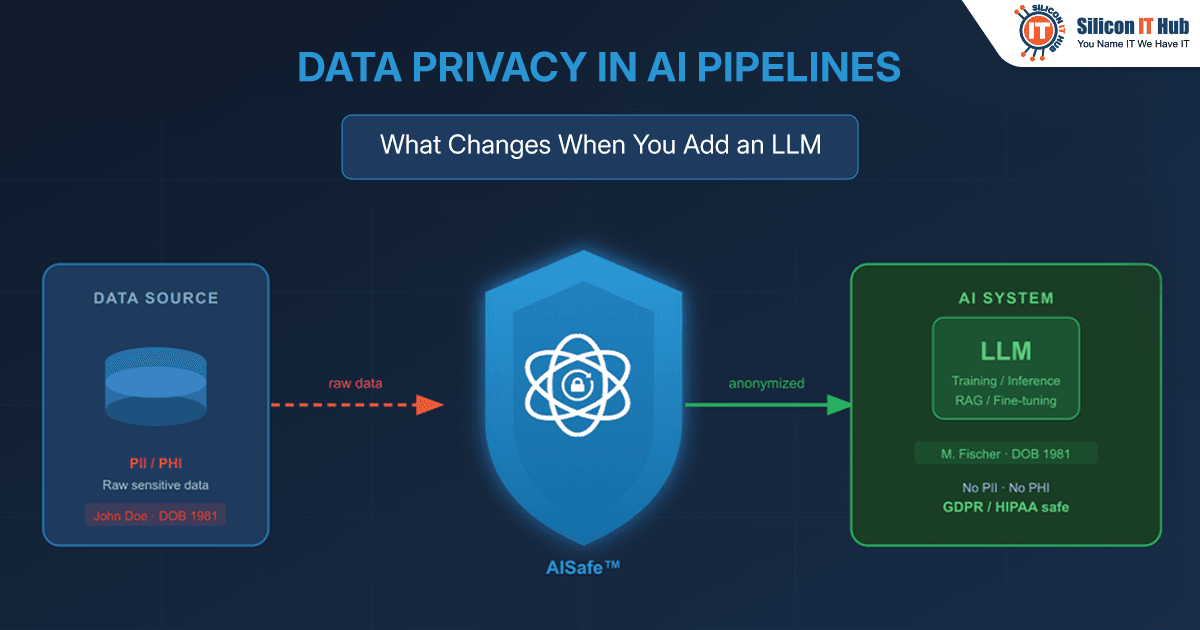
Adding an LLM to an AI pipeline can change the way the system collects, transmits, processes, stores, and exposes data. Learn how to build privacy controls around prompts, context, and outputs.
This blog shows the key differences in review processes and other requirements between Google Play and Apple’s App Store. This App Store vs Play Store comparison is useful for entrepreneurs and developers.
Explore DevOps best practices for faster, reliable software delivery, including CI/CD, automation, testing, IaC, DevSecOps, and monitoring.
Compare HIPAA, PCI DSS 4.0.1, and SOC 2 to understand their unique roles in fintech compliance and building secure, trustworthy applications.
Explore the essential Microservice Design Principles and best practices that are useful for building scalable, secure, and maintainable architecture.
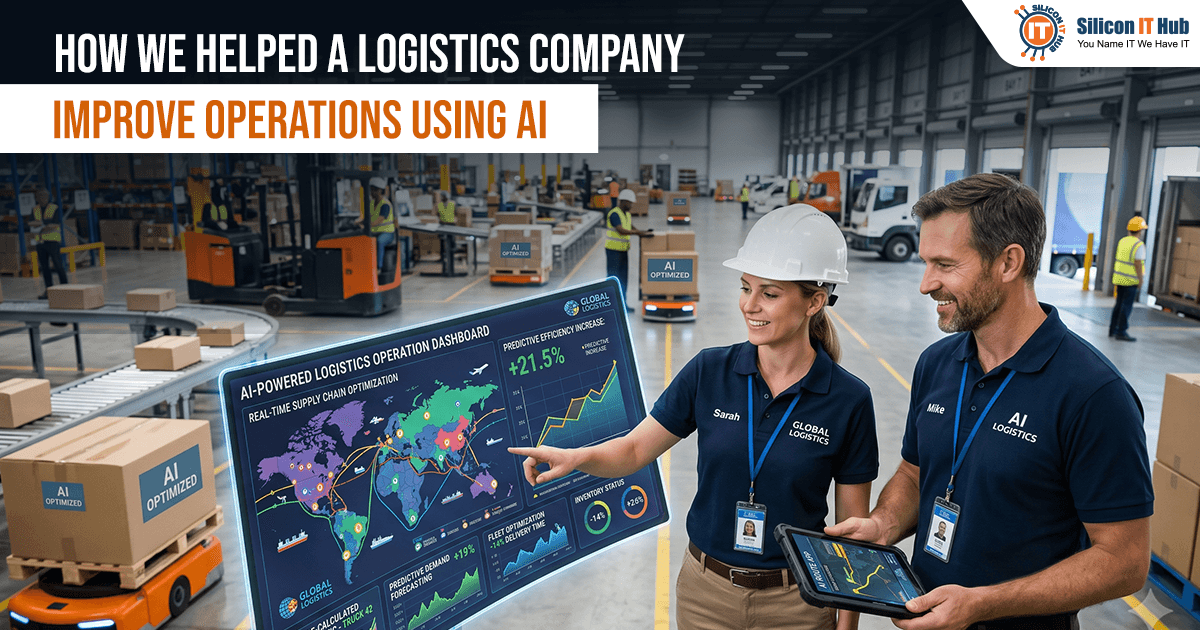
AI development services help logistics companies transform their operations through intelligent automation (IA), predictive analytics, and workflow optimization. Learn practical lessons from this real-world logistics automation case study.
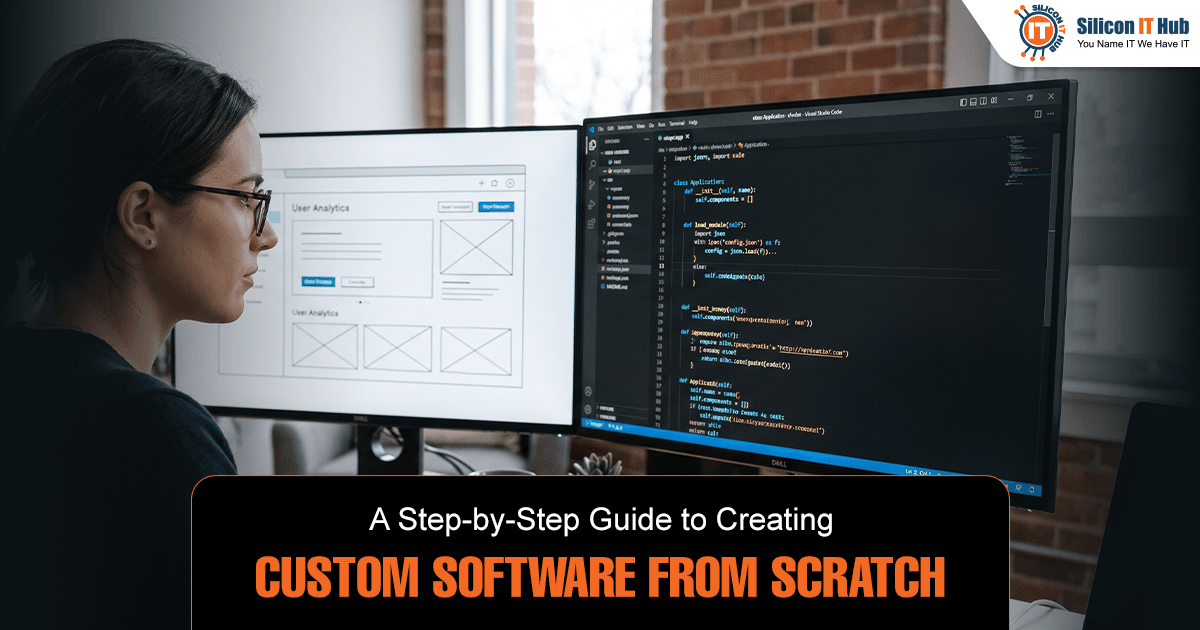
This detailed, step-by-step custom software development guide assists companies in building secure, future-ready, and scalable software solutions.
AI development services can measure success through modern developer productivity metrics. Here is the role of AI in measuring developer productivity.
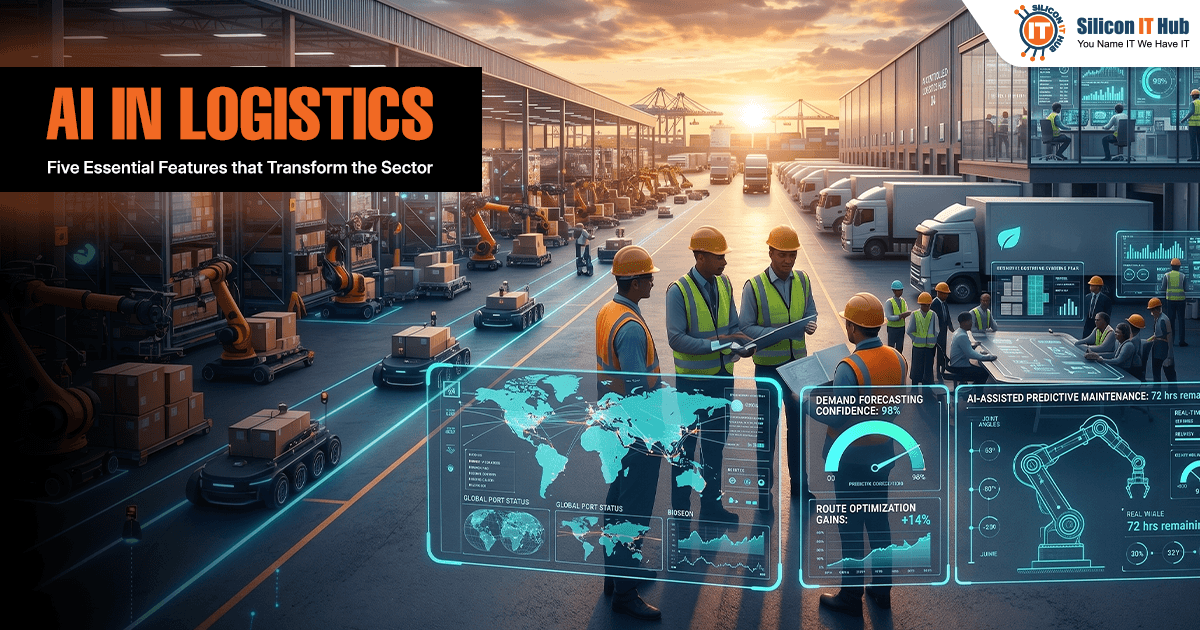
AI in logistics can drive transformation and growth. Here are the top AI features in logistics platforms to improve efficiency and customer experience.
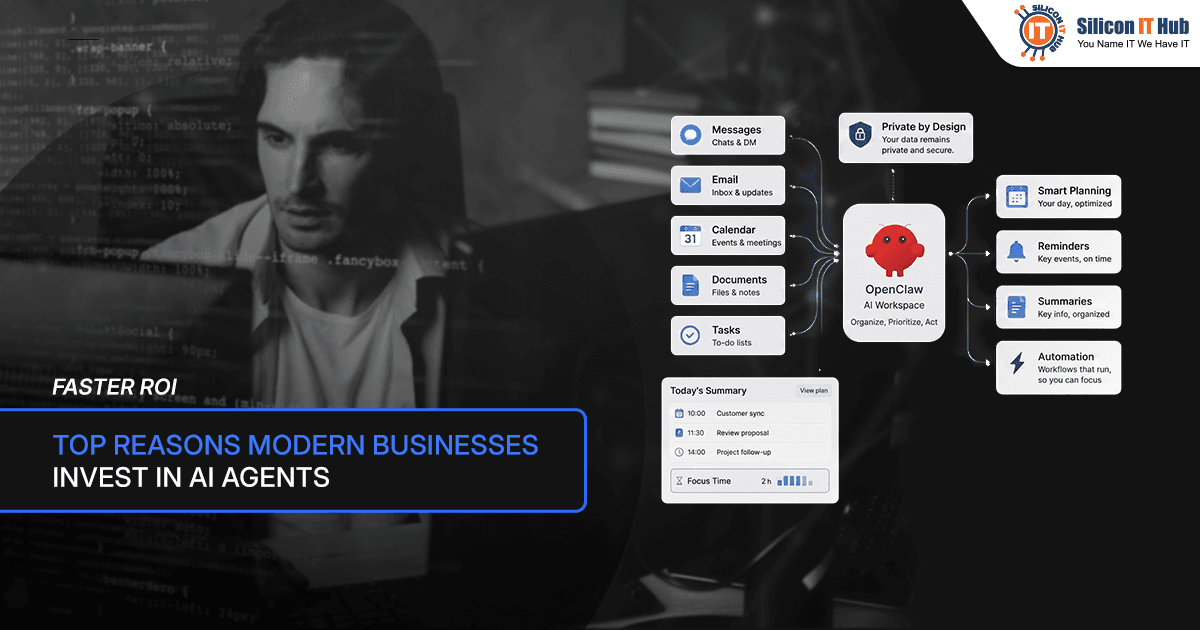
An AI development company builds AI agents to improve efficiency, productivity, and ROI. Here are the reasons why businesses invest in AI automation solutions.
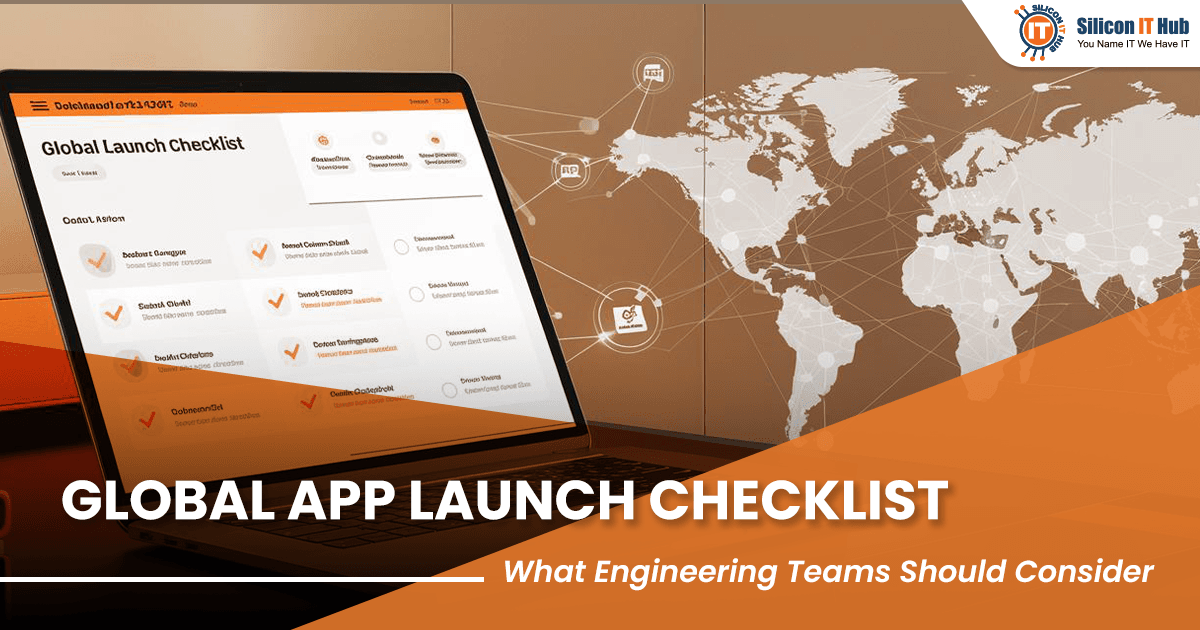
This global app launch checklist can make your mobile application ready for deployment with high scalability, security, and success on app stores.





